
Favorite Products For Stylish And Functional Stair Edging
Select from popular stair edging options that combine aesthetic appeal with practical protection for your stairs.
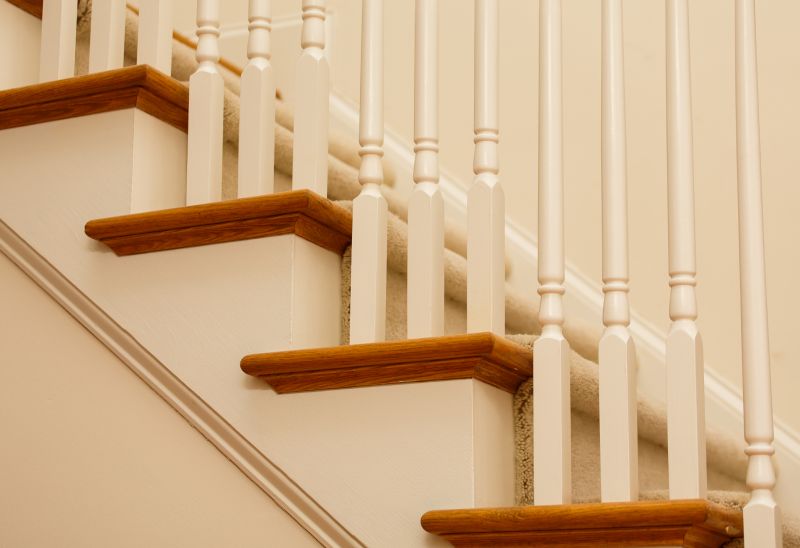 Installing stair edging is a practical way to enhance safety and aesthetics in both residential and commercial spaces. Proper stair edging helps define each step clearly, reducing the risk of slips and falls, especially in areas with high foot traffic or for individuals with mobility concerns. There are numerous products available designed to fit various stair types, materials, and design preferences, making it essential to select the right options for your specific needs.
Top Overall Option
Multi-Purpose Stair Edge Protector
This versatile stair edge protector is designed to fit a wide range of stair types and materials. Made from durable, flexible material, it offers easy installation and provides a non-slip surface for enhanced safety. Its neutral color options help it blend seamlessly with various interior or exterior decor, making it a practical choice for many applications.
Types of Products For Stair Edging Installations
Metal Stair Nosing
Provides a durable and sleek finish for indoor and outdoor stairs, often with anti-slip features.
Vinyl Stair Edging
Flexible and easy to install, vinyl options are suitable for various stair materials and environments.
Rubber Stair Treads
Offers excellent grip and cushioning, ideal for high-traffic areas and outdoor use.
Aluminum Stair Edging
Lightweight and corrosion-resistant, aluminum edges are suitable for outdoor settings.
Carpet Stair Edging Strips
Designed to secure carpet on stairs, preventing slips and fraying at the edges.
Anti-slip Tape
Applied directly to stair surfaces to increase traction and reduce slipping hazards.
LED Stair Edge Lighting
Embedded lighting options that enhance visibility and safety during low-light conditions.
Plastic Stair Edging
Cost-effective and easy to cut, suitable for temporary or DIY projects.
Decorative Stair Nosing
Features aesthetic designs that complement interior decor while providing safety.
Weatherproof Stair Edging
Designed to withstand outdoor elements, ideal for exterior stairs exposed to weather.
Composite Stair Treads
Made from a blend of materials for durability and low maintenance, suitable for outdoor use.
Self-Adhesive Stair Edging
Features a peel-and-stick design for quick and easy installation on various stair surfaces.
Reflective Stair Strips
Enhance stair visibility with reflective surfaces, especially useful in dimly lit areas.
Heavy-Duty Stair Trim
Designed for high-traffic industrial or commercial stairs, offering robust protection.
Flexible Edging Profiles
Adaptable to various stair shapes and curves, providing seamless coverage.
Popular Choices
Widely used for its versatility and ease of installation across different stair types.
Chosen for their slip-resistant properties and durability in outdoor or commercial settings.
A common choice for its strength and sleek appearance in both indoor and outdoor environments.
Popular for enhancing safety and aesthetic appeal in low-light areas.
Frequently used for quick safety upgrades on existing stairs, especially in commercial spaces.
Commonly selected for securing carpeted stairs and preventing wear and tear.
Favored for outdoor stairs due to its lightweight and corrosion-resistant qualities.
Popular for DIY projects because of its ease of installation and low cost.
Chosen for aesthetic enhancement while maintaining safety standards.
Ideal for outdoor stairs exposed to weather conditions, offering longevity and durability.
Selected to improve visibility in dimly lit or dark stairways.
Often used in industrial or high-traffic commercial settings for extra protection.
Stair edging products come in a variety of materials, including metal, rubber, vinyl, and aluminum. Each material offers distinct advantages; for instance, metal edges tend to be durable and long-lasting, while rubber options provide flexibility and additional grip. The installation process can vary based on the product type, with some designed for easy DIY application, while others may require professional installation. Additionally, many products feature anti-slip surfaces or reflective strips to improve visibility and safety.
Choosing the appropriate stair edging involves considering the environment where it will be installed. Indoor staircases may benefit from sleek, low-profile designs that blend seamlessly with interior decor, whereas outdoor stairs might require weather-resistant and UV-stable options. Color matching or contrasting trims can also influence the overall aesthetic, helping to either complement or highlight the stairs. Durability, ease of maintenance, and compliance with safety standards are critical factors to keep in mind during selection.
Overall, investing in quality stair edging can contribute significantly to the safety and visual appeal of stairways. Whether you are upgrading existing stairs or planning a new installation, understanding the different product options and their features can help you make informed decisions that meet your safety requirements and design preferences.
Key Buying Considerations
- Material durability and suitability for indoor or outdoor use
- Compatibility with existing stair materials and surfaces
- Ease of installation and whether professional help is needed
- Slip resistance features to enhance safety
- Aesthetic integration with interior or exterior decor
- Weather resistance and UV stability for outdoor applications
- Size and profile to ensure proper coverage and fit
- Color options for matching or contrasting with stairs
- Maintenance requirements and ease of cleaning
- Compliance with safety standards and regulations
- Cost-effectiveness and long-term value
- Flexibility to accommodate stairs with unique shapes or curves
- Additional features such as lighting or reflective surfaces
- Resistance to wear and tear in high-traffic areas
- Environmental resistance, including moisture and corrosion